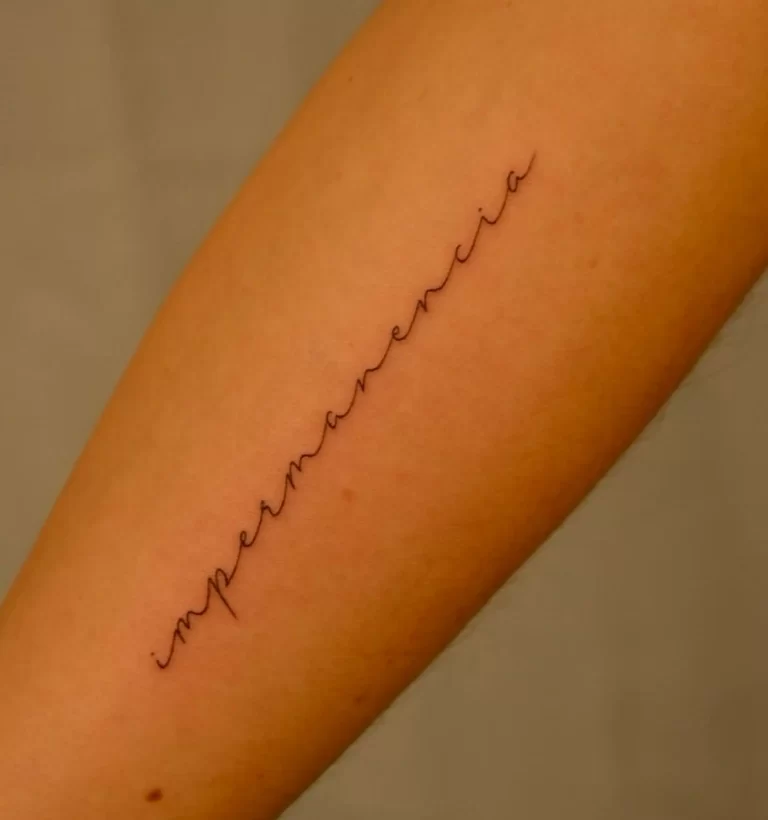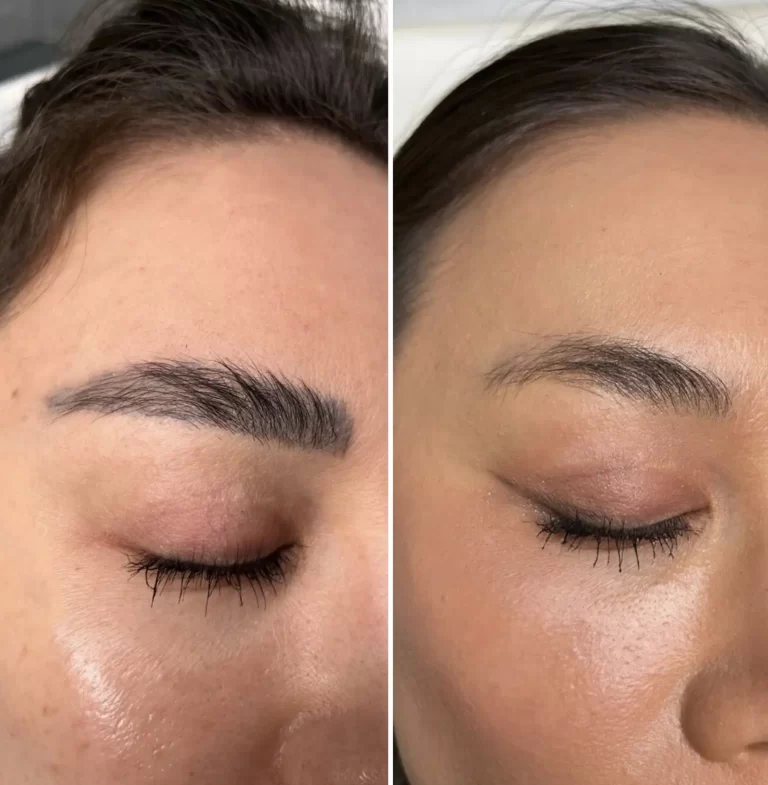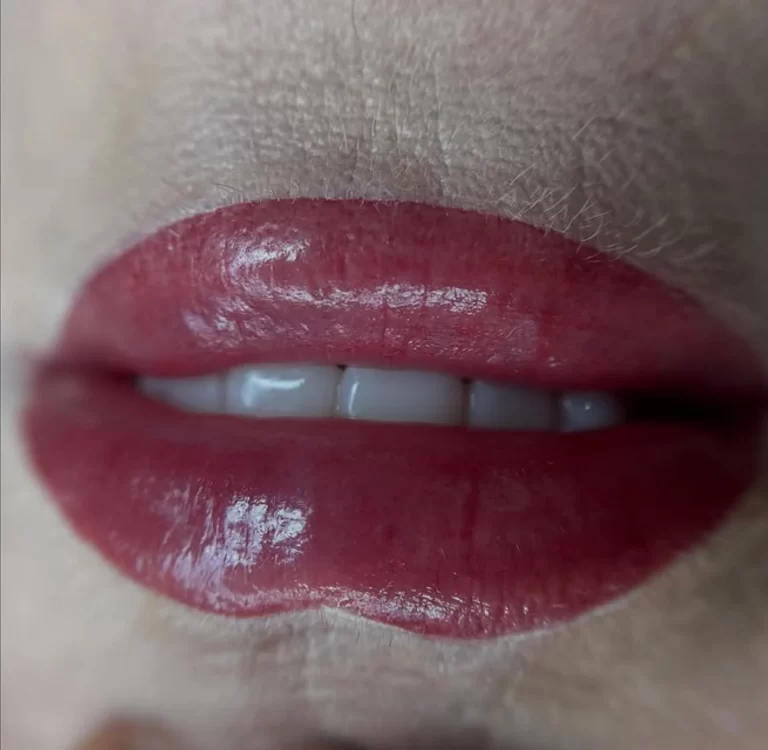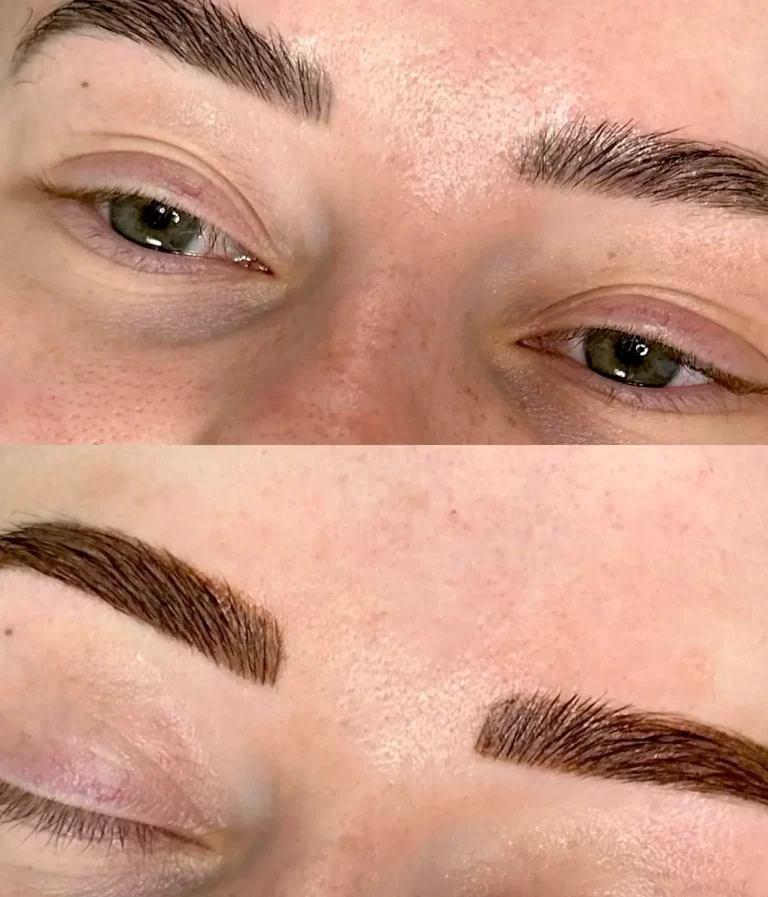
The big question “Is infection control training a must for cosmetic tattoo courses?” pops up in almost every consult I run at Face Figurati – and yes, the answer is a firm yes, if you want to be able to perform cosmetic tattooing or any other skin penetration treatments safely & legally in Australia, and that’s something I always make sure to hammer home. I’m Olha Po, and whether you’re thinking of tackling a cosmetic tattoo course in Melbourne or just dipping your toes into eyeliner tattoo courses, infection prevention is always the top thing on your to-do list.
And let’s be honest – learning good technique is the fun part of this job. Maintaining infection control is the bit that keeps your business, your clients, and, let’s be real, your long-term clinic compliance ticking over nicely – especially when it comes to dealing with Melbourne’s weather, which is not known for being easy to predict.
Contents
- 1 Why Safety Training Matters Most
- 2 What You Legally Need In Australia
- 3 What Councils Expect
- 4 A Quick Look At The Stats (Because Numbers Don’t Lie)
- 5 How Safe Procedures Run in My Studio
- 6 Clean Zone vs Dirty Zone
- 7 Real Client Story
- 8 What You’ll Learn During Essential Safety Training
- 9 Why Not All Training Providers Are Equal
- 10 How Safety Standards Protect Your Business
- 11 How To Check Your Course Meets Council Rules
- 12 Final Thoughts — And A Little Salon Wisdom
- 13 FAQ
- 13.1 Do I really need infection control training before starting a cosmetic tattoo course?
- 13.2 Does infection control apply to eyeliner courses?
- 13.3 Can I do eyelid work during an eyeliner course without being certified in infection control?
- 13.4 Are infection control regulations the same for brows, lips and eyeliner now?
- 13.5 Does infection prevention training ever go out of date?
Why Safety Training Matters Most
I always make sure to talk about infection risks with any student before they even get their hands on a machine in my studio – and the same applies in any other cosmetic tattoo course you might sign up for, whether it’s a basic eyeliner tattoo course, or a combined microblading and machine-work program. The rules don’t change – break the skin in any way, and you need infection control.
It’s not just about cosmetic tattooing – the same infection control standards apply to piercing, skin needling, dermal therapies and even cosmetic injectables – whether it’s in a clinic or a salon.
What You Legally Need In Australia
If you want to work safely and legally, you need to complete the national units that cover Maintain Infection Prevention for Skin Penetration. Many cosmetic tattoo courses include these units as part of their training package, but lots of others will expect you to have these already done before you start.
Even if your main interest is eyeliner tattoo training, the legal requirements don’t change – because eyelid skin is super delicate and, let’s face it, really prone to infection risks.
What Councils Expect
When it comes to getting a licence approval from the local council, they want to see proof that you can:
- Keep on top of infection control
- Follow the infection prevention guidelines
- Manage the sharps and get the environment spotless
- Comply with the legislation around skin penetration treatments
That applies to everyone offering facial aesthetic services, from cosmetic tattooists to skin needling therapists.
A Quick Look At The Stats (Because Numbers Don’t Lie)
| Statistic | Source | Meaning For Artists |
|---|---|---|
| 90% of cosmetic tattoo infections stem from poor hygiene | Australian public health reports | Training prevents avoidable issues |
| Hepatitis B survives up to 7 days on surfaces | Department of Health, Australia | Sterilisation protocols matter |
| 30% of salon infections relate to incorrect hand hygiene | Infection Prevention Australia | Simple steps prevent complications |
This is why every cosmetic tattoo course must teach infection prevention properly — not just as a checkbox.
How Safe Procedures Run in My Studio
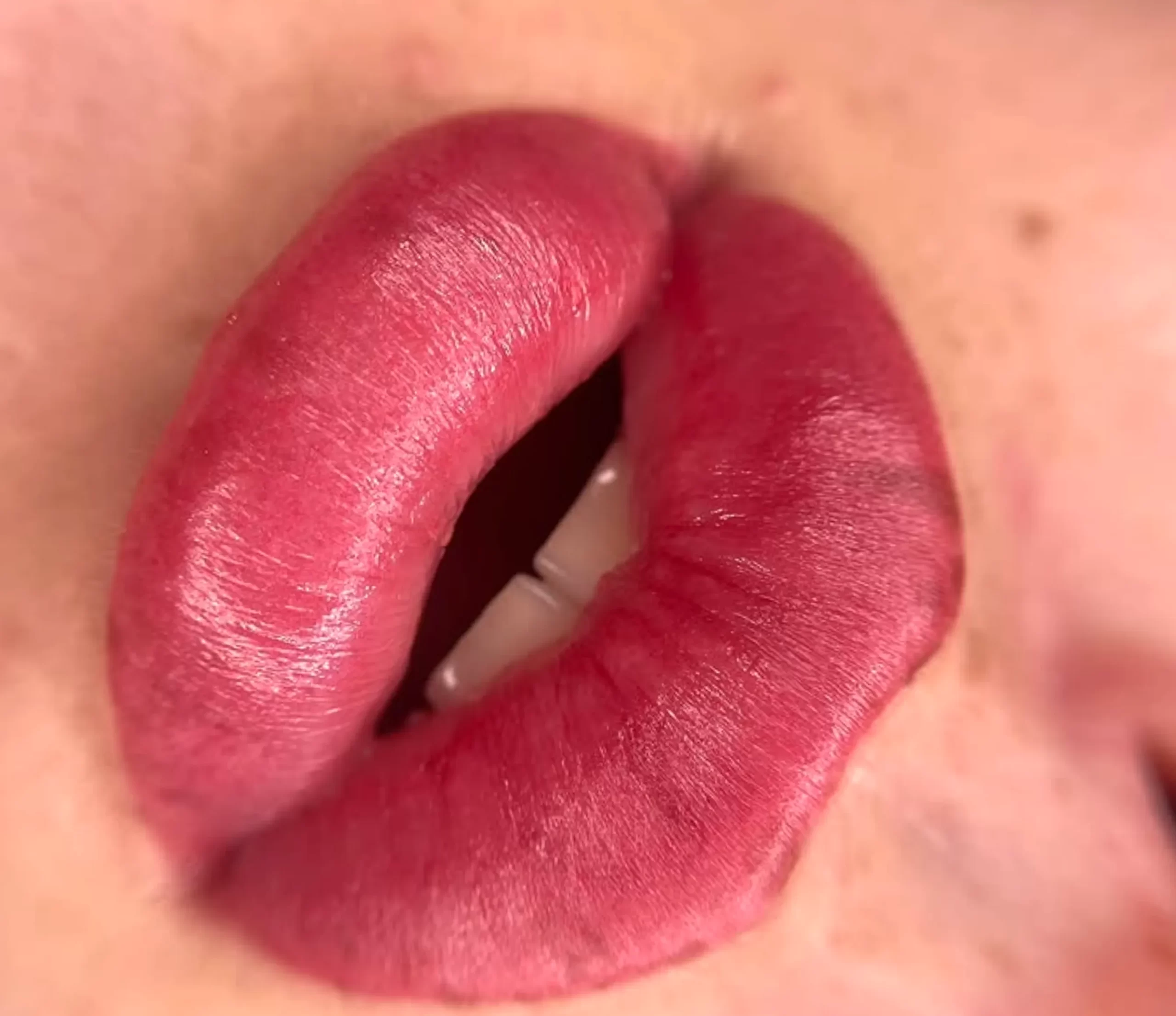
In my Cosmetic Tattoo Studio Melbourne Face Figurati, we’re all about offering a range of treatments from lip blush to skin needling and supervising our students as they learn the ins and outs of eyeliner tattoo courses. Whether it’s one of these techniques, we stick to a strict regime when it comes to sterilising equipment, keeping clean and dirty zones separate, and maintaining spotless conditions.
Clean Zone vs Dirty Zone
The clean zone is where you’ll find your sterile tools, like:
- Needles
- Pigment caps
- PPE (personal protective equipment)
On the other hand, your dirty zone is everything that gets touched once you start the procedure.
And let’s be clear: crossing those zones means starting again from scratch.
Real Client Story
I had a client come to me who had tried an eyeliner tattoo course in another country, where they didn’t follow proper infection control rules. When she came back to me, she had irritated eyelids – the kind of sensitive skin that’s right on the face. That one experience was enough for her to retrain in Australia, where infection control regulations are top-notch.
What You’ll Learn During Essential Safety Training
If you want to do a proper cosmetic tattoo course, you can’t just learn the theory behind infection control. It has to stick in your head – and that means practical assessment as well as clinic-based demos. And yes, even special courses like eyeliner tattoo training have to cover off on airborne contamination, bloodborne viruses, and the importance of keeping your premises spick and span.
Here’s what you can look forward to:
- Getting hands-on experience with sharps handling
- Mastering proper hand hygiene
- Figuring out the right way to use PPE
- Cleaning up your act – literally: the importance of environmental cleaning
- How to get your client to fill out the right information sheets
- Tackling the risks of bloodborne viruses
And I mean it when I say every assessment puts you in real-life scenarios.
Why Not All Training Providers Are Equal
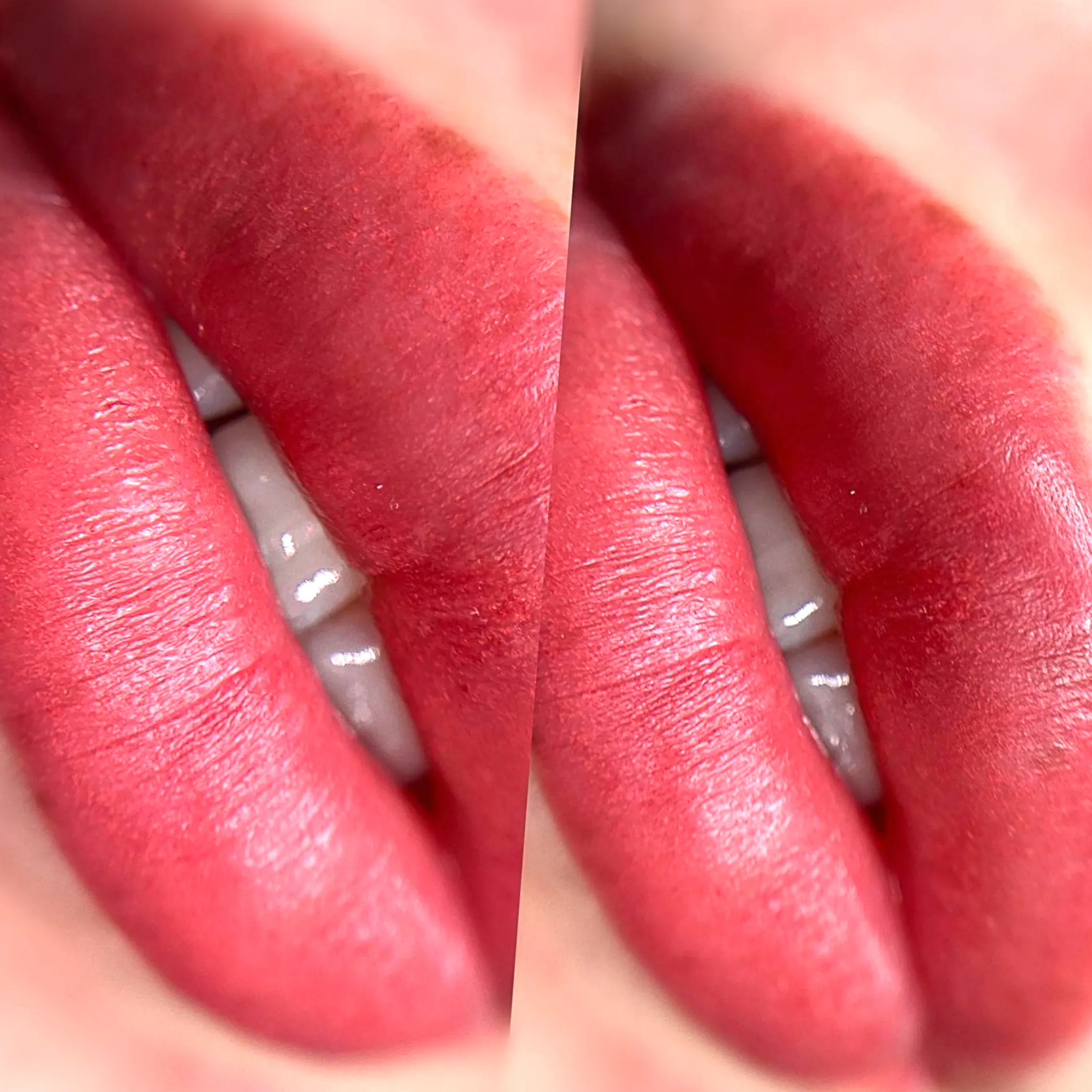
Some courses will zip through the whole thing in a few hours. But a quality cosmetic tattoo course will give you in-depth training on infection control, with learning guides and digital resources to back it up, and proper assessment tools that’ll actually test your understanding – because having the technique down isn’t enough, you’ve got to be safe.
If you’re looking at eyeliner tattoo training, make sure the course doesn’t just show you the basics of how to do the course, but also how to make eyelid irritation a thing of the past, how to manage swelling, and how to keep the air around you sterile near the eye.
If the provider doesn’t explain why you should be doing it a certain way, that should be your first warning sign.
How Safety Standards Protect Your Business
Your infection control training is key to keeping your tattoo business safe from a whole load of problems:
- Breaches of clinic compliance
- Voided insurance
- Council penalties
- Negative reviews
- Unsafe treatment environments
And many students choose to spread out the cost of their courses and infection control units over time because they know that at the end of it all, having these skills will give them peace of mind, not just confidence in their technique.
How To Check Your Course Meets Council Rules
The first thing to look for is a course where infection control is actually part of the main curriculum, not just some add-on afterthought. Whether you’re just starting on a beginner cosmetic tattoo course or taking your skills up to an advanced eyeliner tattoo course, the one thing councils consistently look for is that you can keep infection control at the top of your game at all points in the process.
Experts in the field teach you:
- The right way to use your sterilisation gear (no messing around)
- Proper environmental cleaning (no shortcuts)
- Setting up your workstation so it’s safe to work from (no contamination allowed)
- Getting rid of waste safely (eco-friendly, but with safety in mind)
- Putting your infection control skills to the test in a practical assessment (no theory, only)
If it’s not up to scratch? Walk on by.
Final Thoughts — And A Little Salon Wisdom

Tattooing is an art, but infection prevention is the backbone – you can’t have one without the other. Whether you’re just starting with cosmetic tattoo courses, looking to add some eyeliner tattoo training to your skillset, or taking on even more advanced eyeliner courses, your infection control skills make all the difference to every single patient outcome.
Need some help finding the right course for you, or still unsure about which infection control unit to go for? Just reach out – I’m happy to lend a hand to new artists just starting and wanting to get it right from day one.
FAQ
Do I really need infection control training before starting a cosmetic tattoo course?
Absolutely – especially in Australia. Most places won’t let you get started on a course until you’ve got this in the bag.
Does infection control apply to eyeliner courses?
You bet it does. Because eyes are super sensitive, the hygiene requirements are even more strict.
Can I do eyelid work during an eyeliner course without being certified in infection control?
No way. It’s a major breach of safety standards – you’ll blow your insurance and who knows what else.
Are infection control regulations the same for brows, lips and eyeliner now?
Yes – all cosmetic tattooing falls under the umbrella of skin penetration legislation – it’s all the same.
Does infection prevention training ever go out of date?
Some councils recommend a refresher every 2-3 years, especially for anyone working with the eyes.